
I found the emphasis on the importance of language in tradition, and ultimately culture, in the “Cultural Nationalism” reading by … More
Month: April 2020

Spiritualism and the Demonic
Dracula has a spiritually sinister tone through the book, as evident through Dracula’s demon-like nature as a supernatural predator of … More
Dracula in Society
The 1800s were a time of change in Dublin—but this was true for the rest of the world as well. … More
Women, Independence, and Dracula
It is no wonder that Mina Harker is such a strong example of femininity not being an obstacle to strength, … More
Natural Divinity and Gothic Elements in 19th Century Fiction
This week’s readings regarding the Irish Literary Revival, particularly Terrence Brown’s article Cultural Nationalism, have given me a better foundation … More
Bram Stoker’s “Fang-tastic” Epistolary Novel
Bram Stoker’s Dracula is a Gothic horror novel that tells the story of Count Dracula, a supernatural being, who is … More
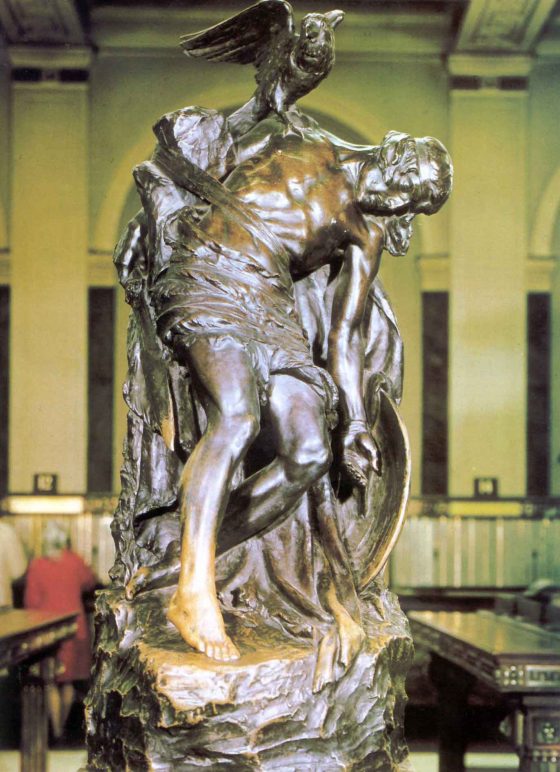
Myths and Memorials
Pictured Above: Oliver Sheppard’s “The Dying Cúchulain” (1911), given official placement in Dublin’s General Post Office, 1935. In the “Cultural … More
The Importance of Perspectives in Dracula
While reading Bram Stoker’s gothic novel Dracula, I noticed that the novel was primarily formatted as a sequence of diary … More
Suffragettes and the Right to Vote
In 1912 the Irish Home Rule Bill was passed by the Parliament of the United Kingdom that would allow Ireland … More
Reporting History as it is.
Reading Siobhán Kilfeather’s Dublin: A Cultural History, especially chapter four, discusses the shift from a union to the famine period … More
